


You deserve comprehensive, compassionate care from someone who truly gets it.
I Know What It's Like to Wait Years for Answers.
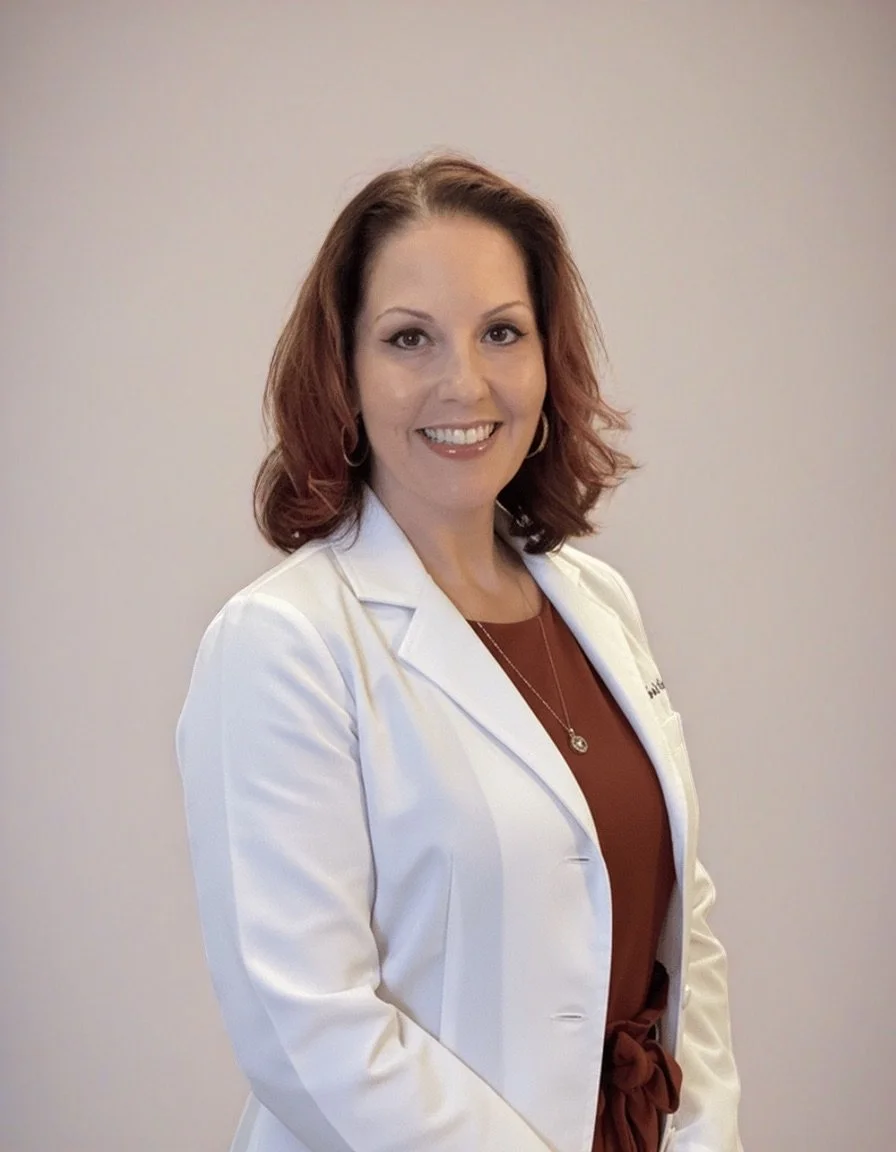
And I've spent 11 years making sure my patients don't have to.
Founder of Hypermobility Hub | Nurse Practitioner | Patient | Caregiver | Advocate
I remember the doctor who told me my joint pain was "just stress." The one who said my daughter's hypermobility was "normal flexibility." The specialist who spent eight minutes with me before suggesting I "try yoga and reduce caffeine."
I remember because I've lived it. I'm not just a nurse practitioner who treats Ehlers-Danlos Syndrome—I'm a patient with generalized hypermobility spectrum disorder and undifferentiated connective tissue disease. I'm a mother to a daughter with EDS. A wife and caregiver to a husband navigating his own diagnosis with joint hypermobility and autonomic dysfunction. I've sat on both sides of the exam table, and that dual perspective changes everything about how I practice medicine.
Clinical Expertise Meets Personal Understanding
I'm Crystal Wade, MSN, APRN, AGACNP-BC, an orthopedic trauma-trained nurse practitioner with over 11 years of experience in orthopedic medicine, trauma care, and regenerative therapies. I practice with Thrivelab.com in Jacksonville, Florida, where I treat patients in their homes with regenerative treatment options and I serve as an adjunct professor at Grand Canyon University. Hypermobility Hub is a Florida-based specialty medical practice providing clinical evaluation, care planning, and care coordination for hypermobility-related conditions.
My clinical training includes:
Advanced regenerative medicine techniques
Orthopedic trauma and complex musculoskeletal conditions
Participation in the Ehlers-Danlos Society ECHO programs
Ongoing education through international EDS conferences and symposiums
But credentials alone don't make someone a good EDS provider. What makes Hypermobility Hub different is that I understand hypermobility from the inside out. I know what it feels like when your body doesn't cooperate. When pain interrupts your plans. When you're exhausted from explaining your symptoms to yet another provider who doesn't quite get it
What This Means for Your Care

My dual perspective shapes every aspect of how I practice:
I believe you. When you say your pain is real, I don't question it. When you describe symptoms that seem unrelated, I understand they're connected. You won't leave my office feeling dismissed or gaslit.
I take time. Your initial consultation is 1.5 hours—not 15 minutes. We'll discuss your full history, perform comprehensive assessments, and create a treatment plan that addresses your unique needs. You'll feel heard.
I coordinate your care. Managing EDS often requires multiple specialists. I maintain relationships with EDS-knowledgeable providers across genetics, cardiology, neurosurgery/neurology, gastroenterology, Uro-GYN with pelvic health specialist, and more. I'll help you build a care team that works together.
I'm in it for the long haul. This isn't an "evaluate and discharge" practice. I provide ongoing management for as long as you need support. Whether that's six months or six years, I'm here.
Why I Do This Work
When my daughter started showing signs of hypermobility, I felt the fear every parent feels—but I also felt determination. I knew I could use my clinical expertise and personal experience to create the kind of care I wished existed when she was first diagnosed.
Hypermobility Hub is my answer to the gap in EDS care. It's for everyone who's been told their pain is "in their head." For parents advocating for their children. For patients who've seen a dozen specialists and still don't have answers. For anyone who just wants a provider who understands.
You deserve more than a diagnosis. You deserve comprehensive, compassionate care from someone who truly gets it.
Ready to Start Your Journey?
Whether you're seeking an initial diagnosis, exploring regenerative treatment options, or looking for ongoing management, I'm here to help. We offer both in-person care in Jacksonville and telehealth consultations nationwide.
Practice Structure Disclosure
Crystal Wade, APRN, AGACNP‑BC, practices in multiple clinical settings. Care location is determined by clinical appropriateness, patient preference, and regulatory requirements. Patients are not required to receive care in any specific setting.